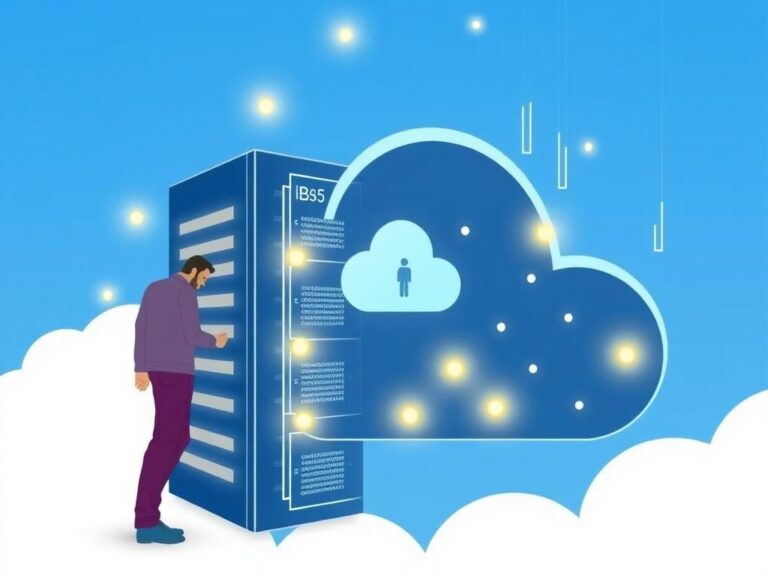
As organizations continue to adapt to a rapidly changing digital landscape, the demand for private Cloud Solutions is on the rise. In 2025, we can expect the private cloud to evolve significantly, catering to the increasing need for security, scalability, and flexibility. Organizations looking to optimize their infrastructure must explore the benefits and approaches to effectively implement private cloud deployments.
As businesses increasingly pivot towards cloud solutions, the landscape of private cloud deployment is set for transformation by 2025. Emerging trends indicate a focus on enhanced security features and improved scalability, enabling organizations to better manage their data assets. For tech creators exploring these advancements, having the right tools, such as tripods for YouTube recording, can enhance the quality of their content while discussing these pivotal shifts.
The Evolution of Private Cloud
Private cloud has transitioned from being a niche market to a mainstream IT solution. Companies are recognizing the importance of control and customization that a private cloud offers. As we move further into 2025, several key trends are shaping the future of private clouds:
- Increased Automation: Automation tools will streamline the deployment and management of private cloud resources, reducing the need for manual intervention.
- Hybrid Cloud Integration: More organizations will adopt hybrid models, combining private and public clouds to optimize workloads.
- Enhanced Security Features: With growing cyber threats, private clouds will integrate advanced security measures to safeguard sensitive data.
Benefits of Private Cloud Deployment
As we look toward 2025, the trends in private cloud deployment are increasingly focused on enhancing security and scalability through innovative identity management solutions. Organizations will need to prioritize best practices, such as implementing zero-trust frameworks and automating access controls, to safeguard their data while maintaining flexibility. For more insights, explore Best Practices for Identity Management.
Private cloud deployment brings several advantages that make it an appealing choice for businesses:
1. Control and Customization
Organizations can configure their private cloud environment to meet specific needs, allowing for tailored solutions that are not available in public cloud offerings.
2. Improved Security
With dedicated resources, companies maintain tighter security controls, ensuring compliance and protecting against unauthorized access.
3. Cost Efficiency
While initial investment may be higher, over time, private clouds can reduce operational costs through optimized resource utilization and lower bandwidth expenses.
4. Performance Optimization
Private clouds offer better performance for high-demand applications due to dedicated resources and low latency.
Key Considerations for Successful Deployment
Before embarking on a private cloud journey, organizations must assess several factors to ensure a successful deployment:
Understanding Business Requirements
Start by identifying the specific needs of the business, including:
- Data residency requirements
- Compliance obligations
- Expected growth and scalability
Choosing the Right Infrastructure
Evaluate the available infrastructure options:
| Infrastructure Type | Pros | Cons |
|---|---|---|
| On-Premises | Full control, low latency | High initial cost, maintenance burden |
| Managed Services | Reduced management overhead, expert support | Less control, ongoing costs |
| Colocation | Physical security, reduced infrastructure costs | Shared space, potential latency issues |
Implementing Security Protocols
Security should be a top priority. Key protocols include:
- Regular vulnerability assessments
- Data encryption both at rest and in transit
- Access controls and user authentication
Technologies Driving Private Cloud Adoption
The following technologies are set to drive the adoption of private clouds in 2025:
1. Containerization and Microservices
Adopting container orchestration platforms like Kubernetes allows organizations to optimize resource usage and improve deployment speed.
2. Artificial Intelligence and Machine Learning
AI-driven analytics can provide insights into resource consumption and performance, enabling smarter automation and troubleshooting.
3. Edge Computing
As IoT devices proliferate, private clouds will integrate edge computing to process data closer to the source, reducing latency and bandwidth use.
Challenges to Anticipate
While the benefits are significant, organizations may also face challenges:
1. Initial Setup Complexity
Establishing a private cloud can be complex, requiring skilled personnel and a thorough understanding of the technology.
2. Ongoing Management
Organizations must have the right tools and processes in place for ongoing management and optimization.
3. Cost Management
While private clouds can be cost-effective in the long run, managing costs during the transition can pose a challenge.
Conclusion
As we look toward 2025, private cloud deployment will continue to grow in importance. Organizations that proactively embrace this technology, while addressing the associated challenges and leveraging the right tools, will position themselves advantageously in a competitive landscape. The future of private clouds is bright, driven by innovation and an unwavering focus on security and customization.
FAQ
What is private cloud deployment?
Private cloud deployment refers to a Cloud Computing environment exclusively used by a single organization, providing enhanced control and security over data and applications.
What are the benefits of using a private cloud in 2025?
In 2025, the benefits of using a private cloud include improved data security, compliance with regulations, customizable infrastructure, and optimized performance for specific workloads.
How does private cloud deployment differ from public cloud?
Private cloud is dedicated to one organization, offering greater control and security, while public cloud services are shared among multiple users, often resulting in lower costs but reduced customization.
What industries are most likely to adopt private cloud deployment by 2025?
Industries such as finance, healthcare, and government are expected to adopt private cloud deployment by 2025 due to their need for stringent security and compliance measures.
What technologies will drive private cloud deployment in 2025?
Key technologies driving private cloud deployment in 2025 include virtualization, containerization, advanced networking, and AI-driven automation for resource management.
How can organizations prepare for private cloud deployment in 2025?
Organizations can prepare for private cloud deployment in 2025 by assessing their current IT infrastructure, defining clear goals, investing in necessary technologies, and training staff on cloud management.