In the ever-evolving landscape of e-commerce, the demand for efficient refund management has reached new heights. Businesses are continuously searching for innovative solutions to streamline their operations and enhance customer satisfaction. Artificial Intelligence (AI) has emerged as a pivotal tool in this regard, enabling companies to predict refund requests with remarkable accuracy. In this article, we delve into the various AI-driven strategies for refund prediction, exploring their methodologies, benefits, and real-world applications.
Unlocking AI solutions for accurate refund prediction has become essential for businesses aiming to enhance their financial forecasting and reduce losses. By leveraging advanced algorithms and data analytics, organizations can gain deeper insights into customer behavior and refine their refund strategies. Discover innovative AI solutions that can transform your approach to financial management.
The Need for Refund Prediction
Refund requests can significantly impact a company’s bottom line. The ability to predict these requests not only aids in financial forecasting but also helps in managing inventory and improving customer service. Here are some key reasons why refund prediction is essential:
- Improved Cash Flow: Anticipating refunds allows businesses to manage their cash flow better.
- Enhanced Customer Experience: Proactive communication regarding refunds can improve customer satisfaction.
- Inventory Management: Understanding refund trends aids in better inventory control.
- Operational Efficiency: Reducing the time taken to process refunds can lead to cost savings.
How AI is Transforming Refund Prediction
Unlocking AI solutions for accurate refund prediction involves leveraging advanced algorithms and data analytics to identify patterns in customer behavior. By employing data visualization techniques, businesses can better interpret complex data, enabling more precise forecasting and improved decision-making.
Machine Learning & Artificial Intelligence
AI technologies leverage vast amounts of data to identify patterns that can predict refund requests. These technologies can analyze customer behavior, purchase history, and even external factors like market trends. Below are the core methodologies employed in AI-driven refund prediction:
1. Machine Learning Algorithms
Machine learning (ML) algorithms are at the heart of most AI solutions. They can be trained on historical data to recognize patterns that typically precede refund requests.
Common Machine Learning Models Used:
| Model | Description |
|---|---|
| Linear Regression | Used for predicting refund amounts based on different variables. |
| Decision Trees | Helps in making predictions based on a series of decision rules. |
| Random Forest | An ensemble of decision trees providing more robust predictions. |
| Neural Networks | Useful for capturing complex relationships in large datasets. |
2. Natural Language Processing (NLP)
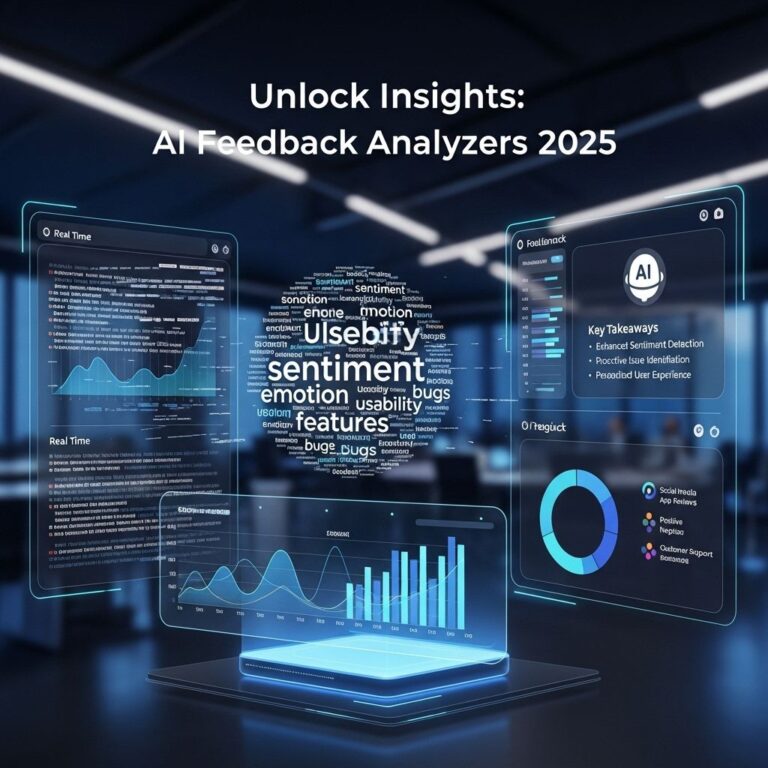
NLP is utilized to analyze customer feedback and reviews. By understanding sentiments expressed in textual data, businesses can identify potential refund requests before they occur.
Applications of NLP in Refund Prediction:
- Sentiment analysis of customer reviews.
- Monitoring social media for brand perception.
- Analyzing customer service interactions.
3. Predictive Analytics
Predictive analytics uses historical data to forecast future trends. By integrating AI with predictive analytics, businesses can create models that anticipate refund requests based on various factors, such as the time of year, product type, and customer demographics.
Machine Learning & Artificial Intelligence
Benefits of AI-Driven Refund Prediction
Implementing AI solutions for refund prediction offers a plethora of advantages. Some of the most notable benefits include:
- Data-Driven Decisions: AI enables businesses to make informed decisions based on real-time data analysis.
- Cost Efficiency: Reducing the operational costs associated with processing refunds can significantly impact profitability.
- Personalized Customer Engagement: Tailoring communication strategies based on predicted behavior improves customer relationships.
- Competitive Advantage: Companies leveraging AI can stay ahead of competitors by enhancing their operational strategies.
Case Studies: Successful Implementations
Several companies have begun using AI for refund prediction with remarkable success. Here are a couple of examples:
1. Amazon
Amazon employs sophisticated AI algorithms to analyze customer data and predict refund requests. By understanding customer behavior and product return patterns, Amazon has successfully minimized refund rates and enhanced overall customer satisfaction.
2. Zappos
Zappos utilizes AI-driven analytics to track customer feedback and purchasing patterns. This data helps them predict potential refunds, enabling proactive customer service responses that enhance customer loyalty.
Challenges in AI-Driven Refund Prediction
Despite the benefits, several challenges can arise when implementing AI for refund prediction:
Machine Learning & Artificial Intelligence
- Data Quality: The accuracy of AI predictions heavily relies on the quality of data input.
- Integration Issues: Incorporating AI solutions into existing systems can be complex.
- Change Management: Organizations may struggle with adapting to new technology and processes.
- Regulatory Compliance: Ensuring compliance with data protection laws is crucial when handling customer data.
The Future of AI in Refund Prediction
As technology continues to evolve, the capabilities of AI in refund prediction are expected to expand. Future trends may include:
- Enhanced Personalization: Leveraging AI to provide even more tailored customer experiences.
- Real-Time Analytics: The ability to analyze data in real-time will allow businesses to respond promptly to refund trends.
- Integration with Blockchain: Ensuring the security and transparency of refund transactions.
Conclusion
In conclusion, AI has become an indispensable ally for businesses seeking to enhance their refund management processes. By harnessing machine learning, natural language processing, and predictive analytics, companies can effectively predict refund requests, improve customer satisfaction, and achieve greater operational efficiency. As technology continues to advance, the future looks bright for AI-driven refund prediction, paving the way for more innovative solutions in the e-commerce space.