As businesses strive to create more personalized experiences, the role of AI feedback analyzers has become increasingly vital. These sophisticated tools leverage artificial intelligence to sift through mountains of customer feedback, providing actionable insights that can drive decision-making and enhance customer satisfaction. In 2025, the landscape of AI feedback analyzers is set to evolve dramatically, offering even more robust features and capabilities for organizations looking to stay ahead of the competition.
As we step into 2025, the power of AI feedback analyzers promises to transform how organizations gather and interpret insights. By leveraging advanced algorithms and hardware advancements, these tools can streamline feedback processes, allowing for quicker and more accurate decision-making. This evolution marks a significant leap in data analysis, enhancing our ability to understand customer and stakeholder needs.
The Evolution of AI Feedback Analyzers
AI feedback analyzers have come a long way since their inception. Initially, these tools were basic sentiment analysis systems that categorized feedback as positive, negative, or neutral. However, advancements in natural language processing (NLP) and machine learning have transformed these systems into multifaceted platforms capable of understanding context, nuance, and even emotional tone.
Machine Learning & Artificial Intelligence
Key Developments in AI Technology
In 2025, AI feedback analyzers will revolutionize the way businesses interpret customer insights, enabling them to tailor strategies with unprecedented accuracy. By leveraging advanced algorithms, organizations can identify trends and sentiments more effectively, ultimately enhancing their ability to create memorable experiences. For more on this transformative approach, explore topics on creating memorable experiences.
- Deep Learning: The introduction of deep learning techniques has enabled feedback analyzers to learn from vast datasets, improving their accuracy and reliability.
- Sentiment Analysis: Modern analyzers can assess the sentiment behind customer comments, distinguishing between sarcasm and genuine feedback.
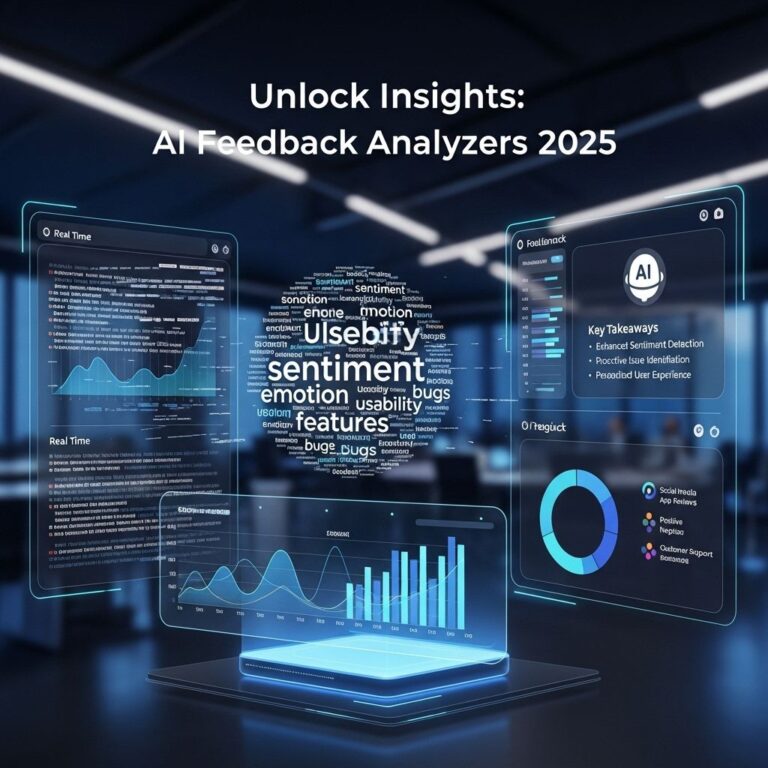
- Real-Time Processing: Advanced systems can analyze feedback as it comes in, providing immediate insights and enabling businesses to react swiftly to customer concerns.
Components of an Effective AI Feedback Analyzer
To maximize the potential of AI feedback analyzers, it’s essential to understand their key components. A well-rounded analyzer will incorporate the following features:
1. Data Collection
Collecting feedback from various channels is crucial for a comprehensive analysis. These channels can include:
- Surveys
- Social media platforms
- Email correspondence
- Online reviews
2. Natural Language Processing (NLP)
NLP is at the heart of any AI feedback analyzer. This technology allows the system to understand and interpret human language, making it possible to:
- Detect sentiment and emotions
- Identify key themes and topics
- Extract valuable insights from unstructured data
3. Reporting and Visualization
Data visualization plays a crucial role in interpreting the results of feedback analysis. Effective reporting tools can transform raw data into actionable insights through:
Machine Learning & Artificial Intelligence
- Dashboards that track trends over time
- Heatmaps highlighting areas of concern
- Customizable reports for different stakeholders
The Benefits of AI Feedback Analyzers in 2025
By 2025, businesses that harness the power of AI feedback analyzers can expect to experience a range of benefits that can significantly influence their operations.
Enhanced Customer Experience
AI feedback analyzers allow companies to gain deeper insights into customer preferences and pain points. This understanding can lead to:
- Personalized marketing strategies
- Improved product development
- More effective customer support
Data-Driven Decision Making
With access to real-time feedback analytics, companies can make informed decisions that are backed by data rather than intuition. This approach promotes:
- Increased operational efficiency
- Better resource allocation
- Higher return on investment (ROI)
Challenges and Considerations
While the benefits of AI feedback analyzers are significant, there are challenges that organizations must navigate to fully leverage these tools.
Data Privacy Concerns
As feedback analyzers collect and process large amounts of customer data, concerns around privacy and compliance with regulations such as GDPR and CCPA must be addressed. Businesses should:
- Ensure transparency in data collection practices
- Implement robust security measures to protect customer data
- Provide customers with the option to opt-out of data collection
Integration with Existing Systems
Incorporating AI feedback analyzers into existing workflows can be complex. Organizations should consider:
Machine Learning & Artificial Intelligence
- Choosing analyzers that are compatible with current customer relationship management (CRM) systems
- Training employees to effectively use the new tools
- Conducting pilot programs to identify potential integration challenges
Future Trends in AI Feedback Analysis
Looking ahead, several trends are likely to shape the future of AI feedback analyzers:
1. Increased Automation
As AI technology continues to evolve, more aspects of the feedback analysis process will become automated. This shift will allow businesses to focus on strategic initiatives rather than manual data processing.
2. Voice and Video Analysis
With the rise of voice-activated devices and video content, future analyzers may incorporate capabilities to analyze verbal feedback and visual cues, providing an even richer understanding of customer sentiment.
3. Enhanced Predictive Analytics
Advanced predictive analytics will enable businesses to not only react to feedback but also anticipate customer needs and preferences before they express them.
Conclusion
As we move into 2025, AI feedback analyzers will become indispensable tools for organizations aiming to enhance customer satisfaction and drive innovation. By understanding the components, benefits, challenges, and future trends of these systems, businesses can unlock valuable insights that will inform their strategies and improve overall performance. Embracing this technology will not only lead to improved customer experiences but also position organizations for success in an increasingly competitive market.
FAQ
What are AI feedback analyzers?
AI feedback analyzers are advanced tools that utilize artificial intelligence to interpret and analyze customer feedback, providing businesses with actionable insights.
Machine Learning & Artificial Intelligence
How do AI feedback analyzers improve customer experience?
By analyzing feedback quickly and accurately, AI feedback analyzers help businesses identify trends, concerns, and areas for improvement, ultimately enhancing the overall customer experience.
What industries can benefit from AI feedback analyzers?
AI feedback analyzers can benefit a wide range of industries, including retail, hospitality, healthcare, and technology, by providing insights that drive better decision-making.
Are AI feedback analyzers user-friendly?
Yes, most AI feedback analyzers are designed with user-friendly interfaces that allow non-technical users to easily navigate and interpret feedback data.
What is the future of AI feedback analyzers in 2025?
In 2025, AI feedback analyzers are expected to become more sophisticated, incorporating deeper learning algorithms and real-time analysis to provide even more precise insights for businesses.
Can AI feedback analyzers integrate with existing business systems?
Yes, many AI feedback analyzers offer integration capabilities with existing customer relationship management (CRM) systems and data analytics platforms to streamline operations.
As we move into 2025, AI feedback analyzers are set to revolutionize the way organizations unlock insights from customer data. By harnessing advanced algorithms, businesses can better understand trends and sentiments, facilitating more informed decision-making. For those keen on diving deeper into this evolving field, Understanding data analytics offers valuable resources.