As organizations continue to adapt to the fast-evolving technological landscape, private Cloud Solutions are becoming increasingly essential for enterprises. In 2025, the focus will intensify on optimizing private cloud infrastructures to enhance security, flexibility, and operating efficiency. This shift is driven by the increased demand for personalized services and the need for robust data integrity amidst growing cyber threats.
As we move into 2025, enterprises are increasingly turning to private cloud solutions to enhance data security, scalability, and operational efficiency. Unlocking the power of private cloud can transform how businesses manage their resources, allowing for greater customization and control. To ensure optimal implementation, organizations may benefit from utilizing effective content revision strategies.
Understanding Private Cloud
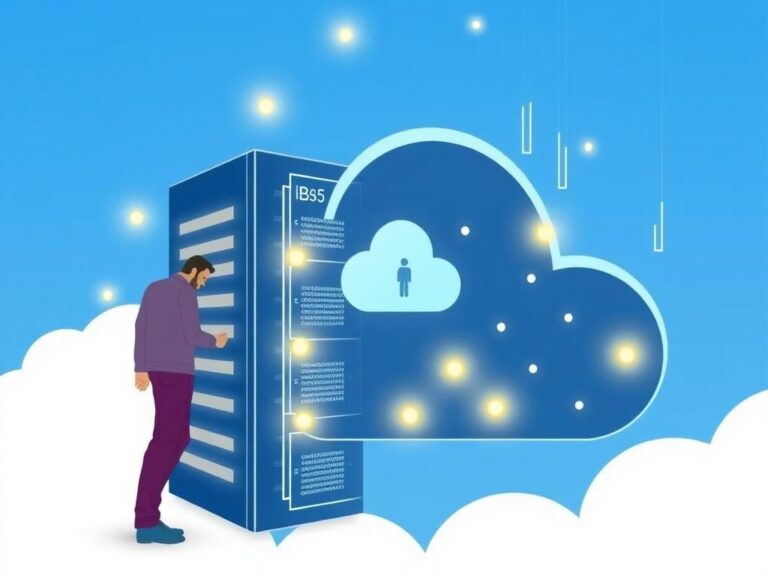
A private cloud is a Cloud Computing environment exclusively used by a single organization. It provides a higher level of control over data, security, and compliance compared to public cloud solutions. Enterprises leverage private clouds to meet specific regulatory requirements while gaining the scalability and efficiency of cloud computing.
Key Characteristics of Private Cloud
As enterprises navigate the complexities of 2025, harnessing the power of private cloud solutions becomes essential for enhanced security and customized scalability. Organizations can streamline operations and ensure data sovereignty while benefiting from tailored infrastructure. For organizations considering this shift, Get tips for cloud migration to optimize their transition.
- Isolation: Resources are dedicated to a single organization.
- Customization: Infrastructure can be tailored to meet specific business needs.
- Security: Enhanced security protocols and compliance measures are easier to implement.
- Performance: Reduced latency as resources are not shared with other organizations.
The Evolution of Private Cloud Technologies
The journey of private cloud technologies has been marked by several pivotal changes that enhance their functionality and reliability. By 2025, we can expect the following advancements:
1. Increased Automation
Automation will play a crucial role in managing private cloud environments, from provisioning to scaling resources based on demand. Organizations will invest heavily in automation tools that enable a seamless integration of services.
2. Enhanced Security Features
With a growing focus on data protection, private clouds will incorporate advanced security protocols, such as:
- Multi-factor authentication (MFA)
- End-to-end encryption
- Advanced threat detection systems
3. Open Source Solutions
Open-source technologies will empower organizations to build tailored private cloud environments. With collaborative development, enterprises can benefit from community-driven innovations.
Benefits of Adopting Private Cloud in 2025
Organizations that transition to a private cloud infrastructure in 2025 will witness a plethora of advantages, including:
- Cost Efficiency: Reduced operational costs through optimized resource usage.
- Improved Performance: Dedicated resources ensure consistent performance levels.
- Enhanced Control: Organizations maintain complete control over their infrastructure and data.
- Scalability: The infrastructure can be easily scaled to meet fluctuating demands.
Challenges to Consider
While private clouds offer numerous benefits, they are not without challenges. Enterprises must navigate several obstacles, including:
1. Initial Setup Costs
Implementing a private cloud can require substantial upfront investments in hardware, software, and skilled personnel.
2. Maintenance and Management
Ongoing management and upgrades necessitate a dedicated IT team, which can strain resources.
3. Integration with Existing Systems
Ensuring compatibility and seamless integration with legacy systems can pose significant challenges.
Future Trends in Private Cloud Adoption
As we approach 2025, several trends are likely to shape the landscape of private cloud computing:
1. Hybrid Cloud Solutions
The hybrid cloud model, combining both public and private resources, will gain traction. Organizations will leverage the agility of public clouds while maintaining control over sensitive data through private clouds.
2. Edge Computing Integration
With the rise of IoT devices, edge computing will become integral to private cloud infrastructures, allowing data processing closer to the source.
3. AI and Machine Learning
Artificial Intelligence will enhance the efficiency of private cloud environments by automating resource allocation and predictive maintenance.
Machine Learning & Artificial Intelligence
Best Practices for Transitioning to Private Cloud
To ensure a successful transition to a private cloud, enterprises should consider the following best practices:
- Conduct a Needs Assessment: Understand the specific requirements and goals of the organization.
- Choose the Right Technology Stack: Select technologies that align with business objectives and scalability plans.
- Implement Strong Governance Policies: Establish clear data governance and security protocols.
- Train Staff: Invest in training programs to equip IT teams with the necessary skills.
- Monitor and Optimize: Continuously assess performance metrics and optimize resource allocation.
Conclusion
The private cloud landscape in 2025 will be characterized by increased security, automation, and integration with emerging technologies. Companies that proactively embrace these changes will find themselves better positioned to navigate the complexities of the digital era, ensuring operational efficiency and data security. With careful planning and execution, enterprises can unlock the full potential of private cloud solutions to drive innovation and growth.
FAQ
What is a private cloud and how does it benefit enterprises?
A private cloud is a dedicated cloud infrastructure for a single organization, providing enhanced security, control, and customization. It benefits enterprises by allowing them to tailor resources to specific needs and maintain tighter control over sensitive data.
How will private cloud technologies evolve in 2025?
In 2025, private cloud technologies are expected to evolve with advancements in automation, AI integration, and improved hybrid cloud capabilities, enabling organizations to optimize resource management and enhance scalability.
Machine Learning & Artificial Intelligence
What are the key security features of a private cloud?
Key security features of a private cloud include data encryption, firewall protection, private networking, and access controls, all designed to safeguard sensitive information and ensure compliance with regulations.
How can enterprises ensure a smooth transition to a private cloud?
Enterprises can ensure a smooth transition to a private cloud by conducting thorough planning, assessing current infrastructure, involving stakeholders, and opting for a phased migration approach to minimize disruptions.
What are the cost implications of adopting a private cloud in 2025?
While the initial investment for a private cloud can be significant, enterprises may benefit from long-term cost savings through improved efficiency, reduced downtime, and better resource allocation.
What industries can benefit the most from private cloud solutions?
Industries such as finance, healthcare, and government can benefit the most from private cloud solutions due to their high demands for security, compliance, and Data Management.
As we move into 2025, the potential of private cloud solutions for enterprises becomes increasingly evident, offering enhanced security, customization, and control over data resources. Organizations that adopt these tailored environments can optimize their operations and drive innovation effectively. To explore the latest developments in this domain, you can stay updated on the evolving cloud computing trends.