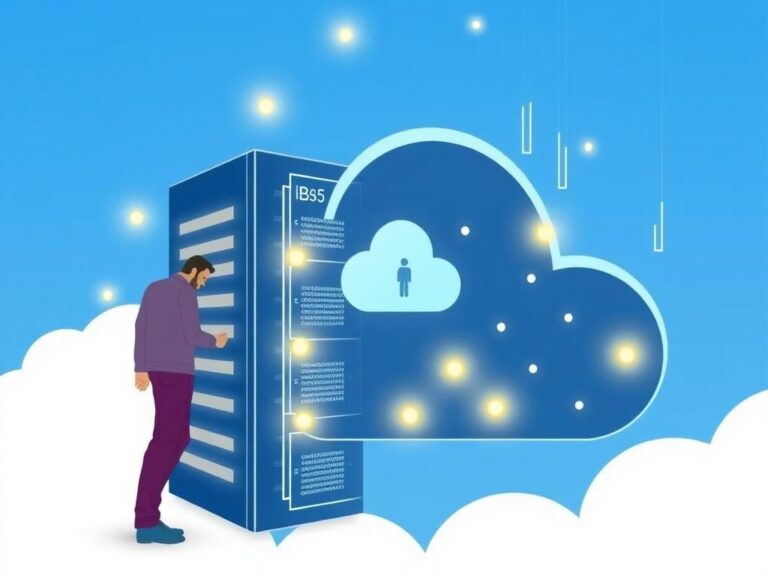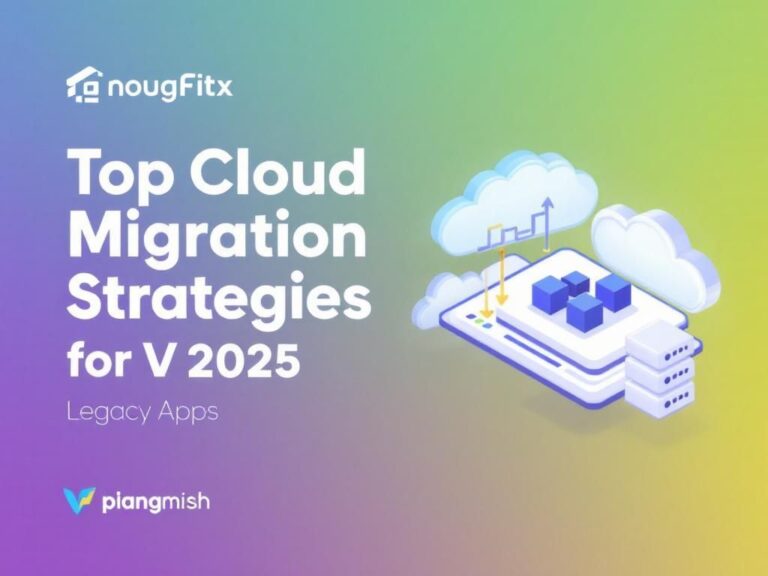
As organizations increasingly embrace digital transformation, migrating legacy applications to the cloud has become a critical task. The persistent need for scalability, cost efficiency, and improved performance is fuelling the momentum behind this shift. However, transitioning legacy systems to a cloud environment is not a trivial undertaking. It requires meticulous planning, a strategic approach, and an understanding of the unique challenges posed by these older applications. In this article, we will explore various strategies for Cloud Migration tailored specifically for legacy applications in the year 2025.
As organizations increasingly seek to modernize their IT infrastructure, cloud migration strategies for legacy applications are becoming a critical focus in 2025. With a variety of approaches available, businesses must consider factors such as cost, performance, and security to ensure a smooth transition. For further insights into effective communication strategies during this process, you might find these email writing techniques helpful.
Understanding Legacy Applications
Legacy applications are systems that are still in use but rely on outdated technology or programming languages. These applications often pose several challenges, including:
- High maintenance costs
- Limited integration capabilities
- Inflexibility to adapt to new business needs
- Increased security vulnerabilities
Recognizing their limitations is crucial for organizations looking to modernize their IT infrastructure.
Benefits of Cloud Migration
As organizations transition to the cloud in 2025, it’s crucial to adopt effective strategies for migrating legacy applications. Key approaches include replatforming, refactoring, and adopting a hybrid model, each tailored to specific business needs. However, companies should also be aware of the challenges in cloud migration to ensure a smoother transition.
Before diving into strategies, it’s essential to understand the benefits of migrating legacy systems to the cloud:
- Scalability: Easily scale resources up or down based on demand.
- Cost Efficiency: Reduce operational costs by eliminating the need for on-premises hardware.
- Improved Performance: Leverage advanced cloud capabilities for faster processing and Data Management.
- Enhanced Security: Utilize cloud providers’ advanced security features to protect sensitive data.
Key Strategies for Migrating Legacy Applications
Here are several effective strategies for successfully migrating legacy applications to the cloud:
1. Rehosting (Lift and Shift)
This strategy involves moving the existing application to the cloud without making significant changes. It’s a straightforward approach which can lead to quick gains in cloud benefits.
- Advantages:
- Quick implementation
- Reduced immediate costs
- Minimal training required for staff
- Disadvantages:
- May not fully capitalize on cloud-native features
- Potential performance bottlenecks
- Limited long-term benefits
2. Refactoring
Refactoring involves modifying the existing application code to better align with cloud Architecture while retaining core functionalities. This strategy allows organizations to modernize applications incrementally.
Common changes include:
- Optimizing databases
- Integrating microservices
- Enhancing user interfaces
3. Rearchitecting
This strategy entails a more substantial overhaul of the application’s architecture. Rearchitecting often involves breaking down monolithic applications into microservices, enabling better scalability and resilience.
This approach requires:
- In-depth analysis of the current architecture
- Identification of core functionalities
- Implementation of APIs for service communication
4. Retiring
Some legacy applications may no longer serve the organization’s goals or may have suitable alternatives in the cloud. In such cases, retiring the application may be the best option.
Considerations for retiring an application include:
- Identifying redundant functionalities
- Ensuring data migration to new systems if necessary
- Developing a phased-out plan to minimize disruption
5. Replacing
This option involves selecting a new cloud-native application to replace the legacy system entirely. This can be particularly advantageous when existing applications are fundamentally flawed or unable to meet current business requirements.
Evaluating Cloud Providers
Selecting the right cloud provider is critical for a successful migration. Factors to consider include:
| Factor | Consideration |
|---|---|
| Cost | Assess pricing models and total cost of ownership. |
| Security | Evaluate the provider’s security certifications and compliance. |
| Support | Consider the level of technical support and resources available. |
| Performance | Analyze performance metrics and service level agreements (SLAs). |
Best Practices for Cloud Migration
Implementing best practices can significantly enhance the chances of a successful migration:
- Conduct a thorough assessment: Understand the current state of your applications and infrastructure.
- Create a detailed migration plan: Outline timelines, resources, and potential risks associated with the migration.
- Involve stakeholders: Engage business leaders and IT teams in the planning process to ensure alignment.
- Test thoroughly: Perform rigorous testing to identify issues before going live.
- Monitor and optimize: Continuously monitor application performance post-migration and optimize the environment as necessary.
Future Trends in Cloud Migration
As we look to 2025 and beyond, several trends are emerging in cloud migration for legacy applications:
- Increased AI Integration: Utilizing Artificial Intelligence for automating migration tasks and optimizing performance.
- Hybrid and Multi-Cloud Strategies: Businesses are increasingly adopting hybrid and multi-cloud approaches to enhance flexibility and avoid vendor lock-in.
- Serverless Architectures: More organizations are opting for serverless solutions, reducing the need for infrastructure management.
Conclusion
In conclusion, migrating legacy applications to the cloud is a multifaceted challenge that requires a well-thought-out strategy. From rehosting to rearchitecting, organizations have a plethora of options to choose from, each with its advantages and challenges. By carefully assessing their needs, engaging stakeholders, and adopting best practices, businesses can successfully navigate the complexities of cloud migration and position themselves for a future of enhanced agility, efficiency, and innovation.
FAQ
What are the best cloud migration strategies for legacy applications in 2025?
The best cloud migration strategies for legacy applications in 2025 include rehosting (lift and shift), refactoring, rearchitecting, and using cloud-native services. Each approach has its own advantages depending on the application requirements and business goals.
How do I choose the right cloud migration strategy for my legacy app?
Choosing the right cloud migration strategy involves assessing your application’s architecture, performance needs, and business objectives. Evaluate factors such as cost, complexity, and the extent of modernization required to determine the most suitable approach.
What challenges can arise during the cloud migration of legacy applications?
Challenges during cloud migration of legacy applications can include data compatibility issues, integration with existing systems, potential downtime, and ensuring compliance with security regulations. Proper planning and testing can help mitigate these risks.
What are the benefits of migrating legacy apps to the cloud?
Migrating legacy apps to the cloud offers benefits such as improved scalability, enhanced security, reduced infrastructure costs, and increased accessibility. It can also enable organizations to leverage advanced cloud services for innovation.
Is it necessary to refactor legacy applications before migrating to the cloud?
Refactoring is not always necessary, but it is often recommended to optimize legacy applications for cloud environments. This can improve performance, scalability, and maintainability in the long run.
How can organizations ensure a successful cloud migration for legacy applications?
Organizations can ensure a successful cloud migration by conducting thorough assessments, developing a detailed migration plan, engaging stakeholders, performing rigorous testing, and continuously monitoring the application post-migration.
As organizations look to modernize their legacy applications in 2025, adopting a phased cloud migration strategy becomes essential to minimize disruptions and ensure operational continuity. By leveraging cloud-native services and focusing on application refactoring, businesses can enhance scalability and performance, making them better equipped for future challenges. For a different perspective, you can discover iconic buildings around the world, illustrating the importance of evolving structures in both architecture and technology.