In the rapidly evolving landscape of technology, the integration of artificial intelligence into various industries has opened up new avenues for growth and optimization. Among these innovations, AI feedback analyzers have emerged as powerful tools that can transform how organizations gather, process, and utilize feedback from their customers, employees, and stakeholders. This article explores the fundamental concepts, benefits, and applications of AI feedback analyzers, illustrating their potential to unlock new opportunities for innovation and improvement.
Unlocking potential in various fields has become increasingly achievable with the rise of AI feedback analyzers. These tools not only streamline the evaluation process but also provide deep insights that can drive improvement and innovation. As technology continues to evolve, staying informed about these advancements in software developments is essential.
Understanding AI Feedback Analyzers
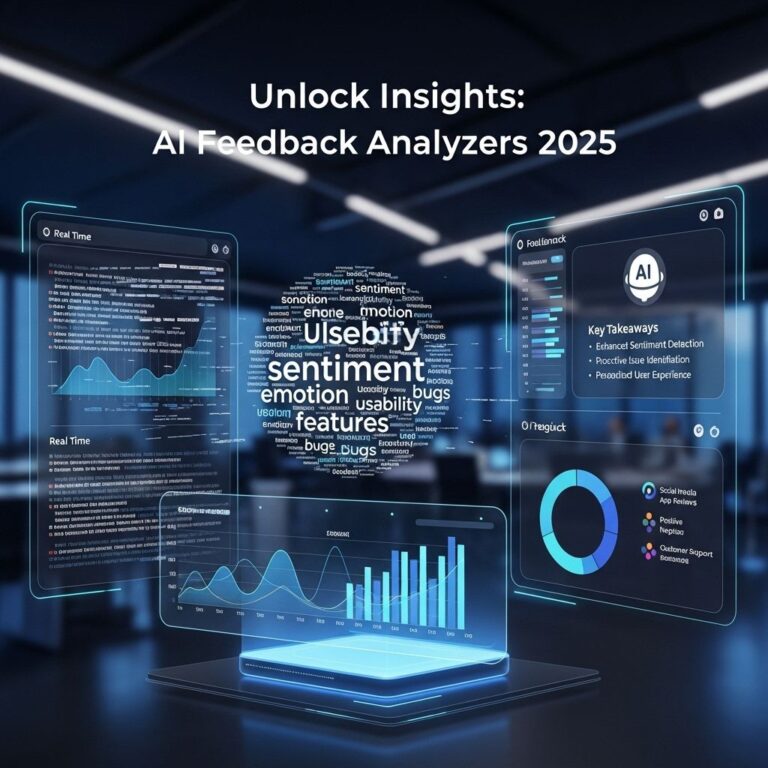
AI feedback analyzers are advanced systems that use machine learning algorithms and natural language processing (NLP) to evaluate and interpret feedback data—whether it comes from customer reviews, employee surveys, or social media interactions. These systems can analyze large volumes of text data, identifying patterns, sentiments, and key themes that would be impossible to track manually.
Machine Learning & Artificial Intelligence
The Technology Behind AI Feedback Analyzers
As organizations seek to enhance their workflows, AI feedback analyzers are proving essential tools for unlocking potential and driving growth. These advanced technologies provide actionable insights that refine decision-making processes, ultimately paving the way for innovation in the field. To explore more on this topic, visit the future of natural language processing.
The underlying technology of AI feedback analyzers involves several key components:
- Natural Language Processing (NLP): This allows the system to understand and interpret human language, taking into account context, sentiment, and nuances.
- Machine Learning: Feedback analyzers learn from data inputs over time, improving their accuracy in sentiment analysis and theme extraction.
- Data Visualization: Many tools integrate visual data representation to help stakeholders easily interpret findings and make informed decisions.
Benefits of Using AI Feedback Analyzers
Integrating AI feedback analyzers into an organization offers numerous advantages, including:
1. Enhanced Decision-Making
By providing actionable insights from customer and employee feedback, organizations can make more informed decisions that directly impact their products, services, and overall strategies.
2. Improved Customer Experience
AI feedback analyzers can quickly identify areas where customers are dissatisfied, allowing companies to address concerns proactively and enhance their customer service. Key benefits include:
- Faster response times to negative feedback
- Identifying recurring issues in service delivery
- Personalization of customer interactions based on preferences
3. Streamlined Processes
With automation capabilities, feedback analyzers significantly reduce the time and resources necessary for manual data processing, allowing teams to focus on strategic initiatives.
4. Greater Engagement
By analyzing employee feedback, organizations can foster a more engaged workforce. Monitoring sentiment and gathering insights on employee satisfaction helps in creating conducive workplace environments.
Applications in Various Industries
AI feedback analyzers have diverse applications across multiple sectors. Here are a few notable examples:
Machine Learning & Artificial Intelligence
1. Retail
In the retail sector, feedback analyzers can process customer reviews and surveys to identify trends in product satisfaction, enabling companies to enhance product offerings and customer service.
2. Healthcare
Healthcare providers can assess patient feedback to improve service delivery, monitor satisfaction levels, and address concerns related to patient care.
3. Education
Educational institutions can analyze student feedback on courses and teaching methods, allowing for curriculum improvements and better teaching practices.
4. Technology
Tech companies can utilize feedback analyzers to process user reviews and enhance product development based on user sentiment analysis.
Implementing AI Feedback Analyzers
When considering the implementation of AI feedback analyzers, organizations should follow a systematic approach:
Step 1: Define Objectives
Before selecting an AI feedback analyzer, it’s crucial to define clear objectives. What specific insights are you looking to gain? This could include:
- Understanding customer satisfaction scores
- Identifying employee engagement trends
- Tracking product feedback over time
Step 2: Choose the Right Tool
There are various AI feedback analyzers available in the market. Organizations should evaluate tools based on:
Machine Learning & Artificial Intelligence
- User-friendliness – Is the tool easy to navigate?
- Integration capabilities – Can it integrate with existing platforms?
- Customization – Does it allow tailored analysis based on specific needs?
Step 3: Collect Feedback
Once the tool is in place, organizations should start collecting feedback through multiple channels, such as:
- Surveys
- Social media platforms
- Customer service interactions
Step 4: Analyze and Interpret Data
Utilize the feedback analyzer to extract insights. Look for trends, patterns, and actionable items that align with your defined objectives.
Step 5: Act on Insights
Finally, ensure that the insights gained are translated into tangible actions. This may involve:
- Implementing changes in product features
- Enhancing customer service training
- Addressing employee concerns
Challenges in Utilizing AI Feedback Analyzers
Despite their advantages, organizations may face challenges when implementing AI feedback analyzers: