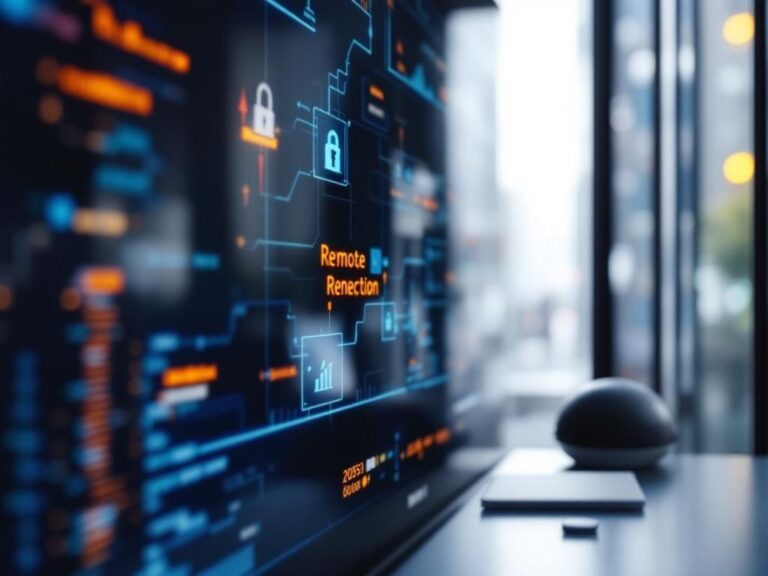
As organizations continue to embrace Remote Work, ensuring secure access to sensitive systems and data has become paramount. The shift towards a remote workforce presents unique challenges and risks that must be addressed through robust security practices. This article explores the best practices for secure remote access in 2025, focusing on strategic approaches, technologies, and policies that organizations can implement to safeguard their digital assets.
TV & Video Equipment
As remote work becomes increasingly prevalent in 2025, organizations must adopt best practices for secure remote access to protect sensitive data. Implementing multi-factor authentication, regular security training, and robust VPNs can significantly reduce vulnerabilities. For more insights on how to manage events effectively as part of this evolving landscape, get insights into successful event management.
Understanding the Risks of Remote Access
With increased flexibility and convenience, remote access also brings a myriad of security concerns:
- Data Breaches: Unauthorized access to sensitive information can lead to significant data breaches.
- Phishing Attacks: Employees working remotely may be more susceptible to phishing attacks due to less oversight.
- Insecure Networks: Remote employees may inadvertently connect to unsecured networks, exposing corporate data.
- Device Security: Personal devices used for work may lack necessary security measures, leading to vulnerabilities.
Implementing Strong Authentication Mechanisms
As remote work continues to evolve, ensuring secure access to company resources is paramount. Implementing multi-factor authentication, regularly updating access protocols, and providing training on the latest security practices are essential best practices for safeguarding sensitive information in 2025. For more insights on enhancing remote work efficiency and security, check out these tips for remote team collaboration.
One of the first lines of defense in securing remote access is implementing strong authentication measures. Here are key strategies:
Computer Security
Multi-Factor Authentication (MFA)
MFA requires users to provide two or more verification methods to gain access, significantly enhancing security. Common factors include:
- Something you know (password).
- Something you have (security token or smartphone app).
- Something you are (biometric verification).
Single Sign-On (SSO)
SSO allows users to log in once and gain access to multiple applications without re-entering credentials. While it simplifies user experience, ensure that SSO is paired with MFA to maintain security.
VPN & Remote Access
Utilizing Virtual Private Networks (VPNs)
VPNs are critical tools for secure remote access. They encrypt internet traffic and mask IP addresses, protecting data from potential attackers. Consider the following guidelines:
Choose a Trusted VPN Provider
Ensure the VPN provider has a proven track record of security and privacy. Look for features such as:
TV & Video Equipment
- No-logs policy
- Strong encryption protocols
- Kill switch functionality
Regularly Update VPN Software
Keep the VPN client updated to protect against known vulnerabilities and exploits. Set up automatic updates if possible.
Adopting Zero Trust Security Model
The Zero Trust model operates on the principle of ‘never trust, always verify.’ This approach is particularly effective in remote access security:
Software
Micro-Segmentation
By segmenting the network, organizations can limit access to sensitive data to only those who need it. Furthermore, segmentation helps contain potential breaches.
Continuous Monitoring and Verification
Implement continuous monitoring to assess user behavior and access attempts. Tools for anomaly detection can alert security teams to potential threats.
Endpoint Security Measures
Securing endpoints, such as laptops and mobile devices, is crucial for remote workers:
Computer Security
Implement Endpoint Detection and Response (EDR)
EDR solutions provide real-time monitoring and response capabilities, helping to detect and respond to threats rapidly.
Enforce Device Compliance Policies
Ensure that all devices used for work comply with organizational security policies. This can include:
VPN & Remote Access
| Policy | Description |
|---|---|
| Encryption | All devices must have data encrypted to protect against unauthorized access. |
| Antivirus Software | Devices should have updated antivirus solutions to detect malware. |
| Patch Management | Regular updates to the operating system and applications are mandatory. |
Training and Awareness Programs
Human error remains one of the biggest threats to Cybersecurity. Regular training can mitigate risks significantly:
TV & Video Equipment
Conduct Regular Security Training
Train employees on recognizing phishing attempts, using secure connections, and reporting suspicious activities. Use a combination of:
- Interactive training sessions
- Online courses
- Simulated phishing attacks
Establish Clear Remote Work Policies
Document and communicate remote work policies clearly. Ensure employees understand their roles in maintaining security.
Incident Response Planning
No security framework is complete without an effective incident response plan. Prepare for potential breaches by:
Developing a Response Plan
Create a detailed incident response plan that addresses potential security incidents. Include:
- Roles and responsibilities
- Communication protocols
- Recovery processes