In a world overflowing with possessions and distractions, the trend of minimalist living has gained remarkable traction. As we navigate through 2025, the art of less is not just a lifestyle choice; it is a conscious decision that impacts various aspects of our lives, from mental health to our environmental footprint. This article delves into the philosophy of minimalism, the benefits it brings, and practical steps to embrace this transformative approach.
Understanding Minimalism
Minimalism is often misunderstood as merely a design style characterized by sparse decor. However, at its core, minimalism is about making room for what truly matters. The following points encapsulate the essence of minimalist living:
- **Intentionality**: Every item in a minimalist space has purpose and value.
- **Quality over Quantity**: Investing in fewer, high-quality items rather than filling space with clutter.
- **Less Stress**: Fewer possessions lead to reduced decision fatigue and distractions.
- **Sustainability**: Minimalism encourages the mindful consumption of resources, resulting in a smaller environmental footprint.
The Benefits of Minimalist Living
Choosing to live minimally provides numerous advantages that extend beyond the physical space. Here are some key benefits:
1. Improved Mental Clarity
Surrounding ourselves with fewer distractions can lead to enhanced focus and clarity. A simplified environment contributes to a clearer mind, allowing us to prioritize our goals and aspirations.
2. Increased Financial Freedom
Embracing minimalism often leads to mindful spending habits. By reducing unnecessary purchases, individuals can save money and allocate resources toward experiences rather than possessions. This shift can result in:
- Lower debt levels
- Increased savings
- Ability to invest in personal growth
How to Embrace Minimalism in 2025
Transitioning to a minimalist lifestyle doesn’t have to be overwhelming. Here are actionable steps to consider:
Decluttering Your Space
Start by assessing your belongings. A systematic decluttering process can help you clear out excess possessions. Consider the following methods:
1. The 90/90 Rule
Ask yourself if you’ve used an item in the last 90 days or if you’ll use it in the next 90 days. If not, it’s time to let go.
2. The Marie Kondo Method
Keep only those items that spark joy. This method encourages emotional connections to our belongings.
Streamlining Digital Life
In our digital age, minimalism extends to our online presence. Here’s how to declutter your digital life:
- Unsubscribe from unnecessary newsletters
- Organize files into categorized folders
- Limit social media use to platforms that bring value
Adopting Minimalist Mindfulness
Mindfulness plays a crucial role in minimalist living. Here are some techniques to cultivate mindfulness:
| Technique | Description |
|---|---|
| Meditation | Daily practice to center yourself and focus on the present moment. |
| Gratitude Journaling | Writing down things you’re grateful for to shift focus from what you lack to what you have. |
| Digital Detox | Regular breaks from screens to reconnect with yourself and your surroundings. |
Minimalism and Sustainability
The minimalist movement aligns closely with sustainable living principles. By consuming less, we not only simplify our lives but also contribute positively to the planet. The environmental benefits include:
- Reduction in waste generation
- Less energy consumption
- Lower carbon footprint
Making conscious choices, such as investing in sustainable products or embracing a zero-waste lifestyle, can help further this cause.
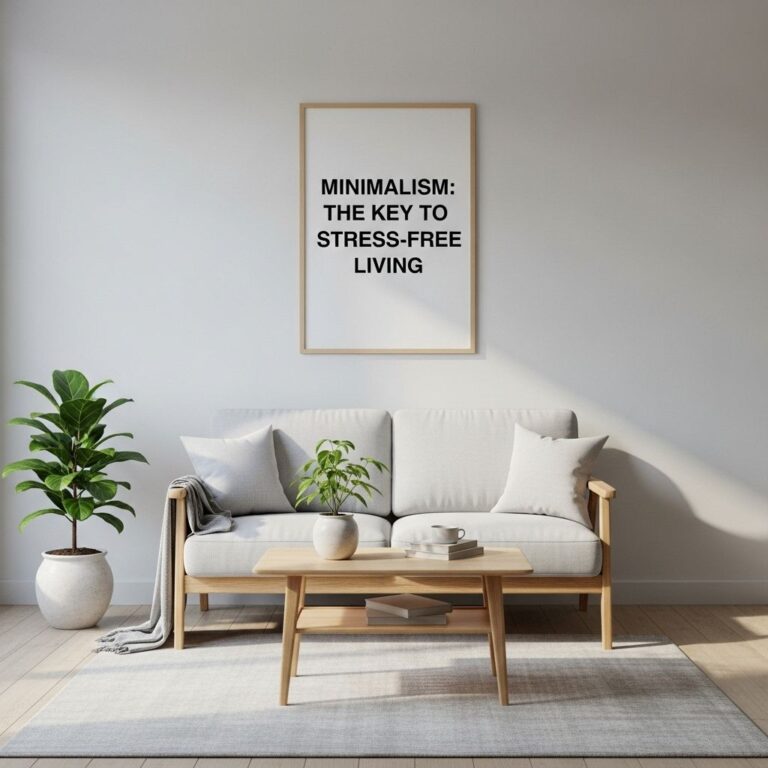
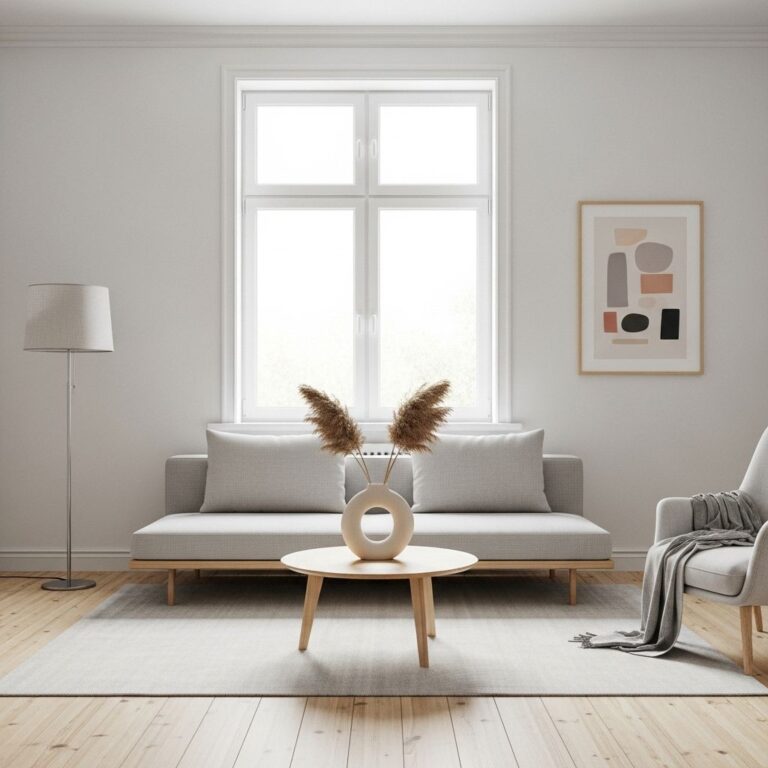
Creating a Minimalist Home
Designing a minimalist home can transform your living space into a tranquil oasis. Here are design principles to consider:
- **Neutral Color Palettes**: Opt for whites, grays, and beiges to create a calm atmosphere.
- **Multi-functional Furniture**: Choose pieces that serve more than one purpose.
- **Natural Light**: Maximize natural light to enhance the sense of space and openness.
Challenges of Minimalist Living
While there are numerous advantages to minimalism, it also presents challenges. Some common hurdles include:
- **Emotional Attachments**: Letting go of sentimental items can be difficult.
- **Social Pressure**: The consumer culture can make it hard to maintain minimalism.
- **Misunderstandings**: Some people may equate minimalism with deprivation rather than freedom.
Overcoming Challenges
To overcome these challenges, consider the following:
- Focus on the benefits of minimalism to reinforce motivation.
- Engage with a supportive community or online forums dedicated to living minimally.
- Take gradual steps to declutter rather than overwhelming yourself with a complete overhaul.
Conclusion
As we continue to embrace the art of less in 2025, it’s essential to remember that minimalism is a personal journey. The path towards minimalism is not one-size-fits-all but rather a unique experience that varies from person to person. By focusing on what truly matters, we can create a life filled with intention, purpose, and clarity. Whether it’s through decluttering our physical spaces or streamlining our digital lives, the pursuit of minimalism invites us to embrace simplicity and cultivate a more fulfilling existence.
FAQ
What is minimalist living?
Minimalist living is a lifestyle choice that emphasizes simplicity and the intentional reduction of material possessions, focusing on experiences and personal growth.
How can I start living a minimalist lifestyle in 2025?
Begin by decluttering your space, identifying items you truly need, and gradually adopting habits that prioritize quality over quantity.
What are the benefits of minimalist living?
The benefits include reduced stress, improved mental clarity, financial savings, and a greater appreciation for the things you own.
Is minimalist living suitable for families?
Yes, minimalist living can be adapted for families by teaching children the value of experiences and encouraging them to be mindful about their belongings.
How does minimalist living impact sustainability?
Minimalist living promotes sustainability by reducing waste and consumption, leading to a smaller carbon footprint and a more conscious approach to resources.
Can I maintain a minimalist lifestyle in a busy city?
Absolutely! Minimalist living can be practiced anywhere, including busy cities, by focusing on what truly adds value to your life and maintaining a clutter-free environment.